The history of Nyungwe in short
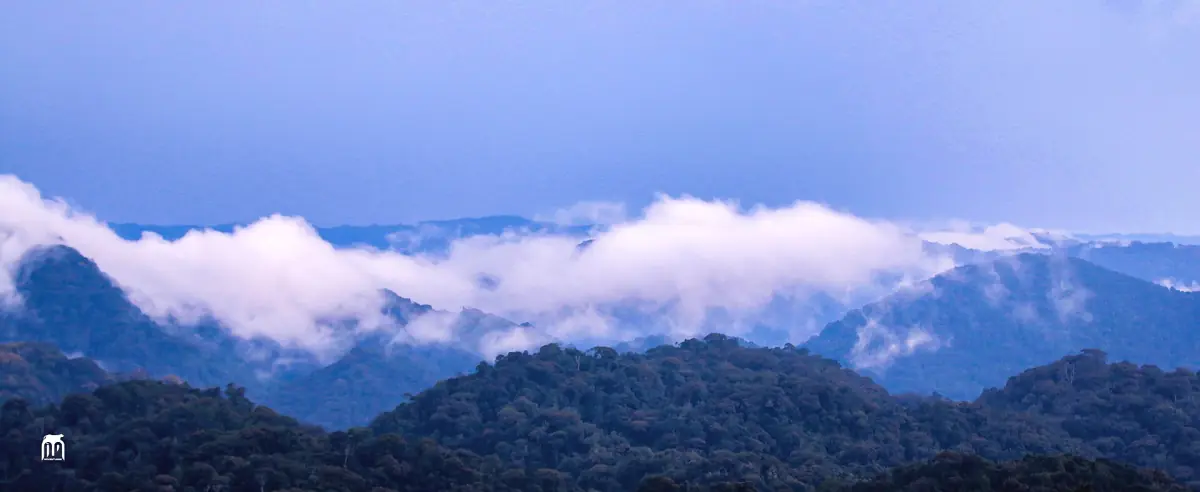
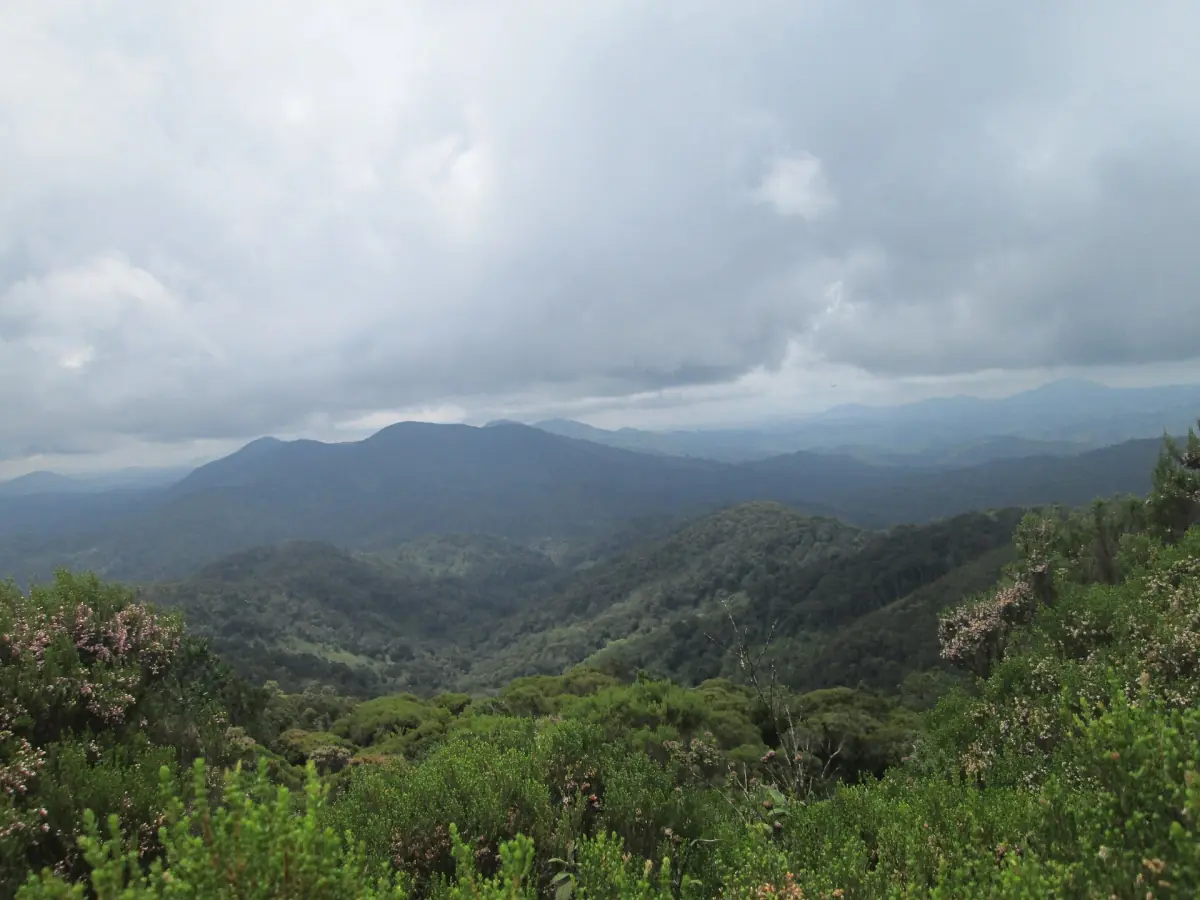
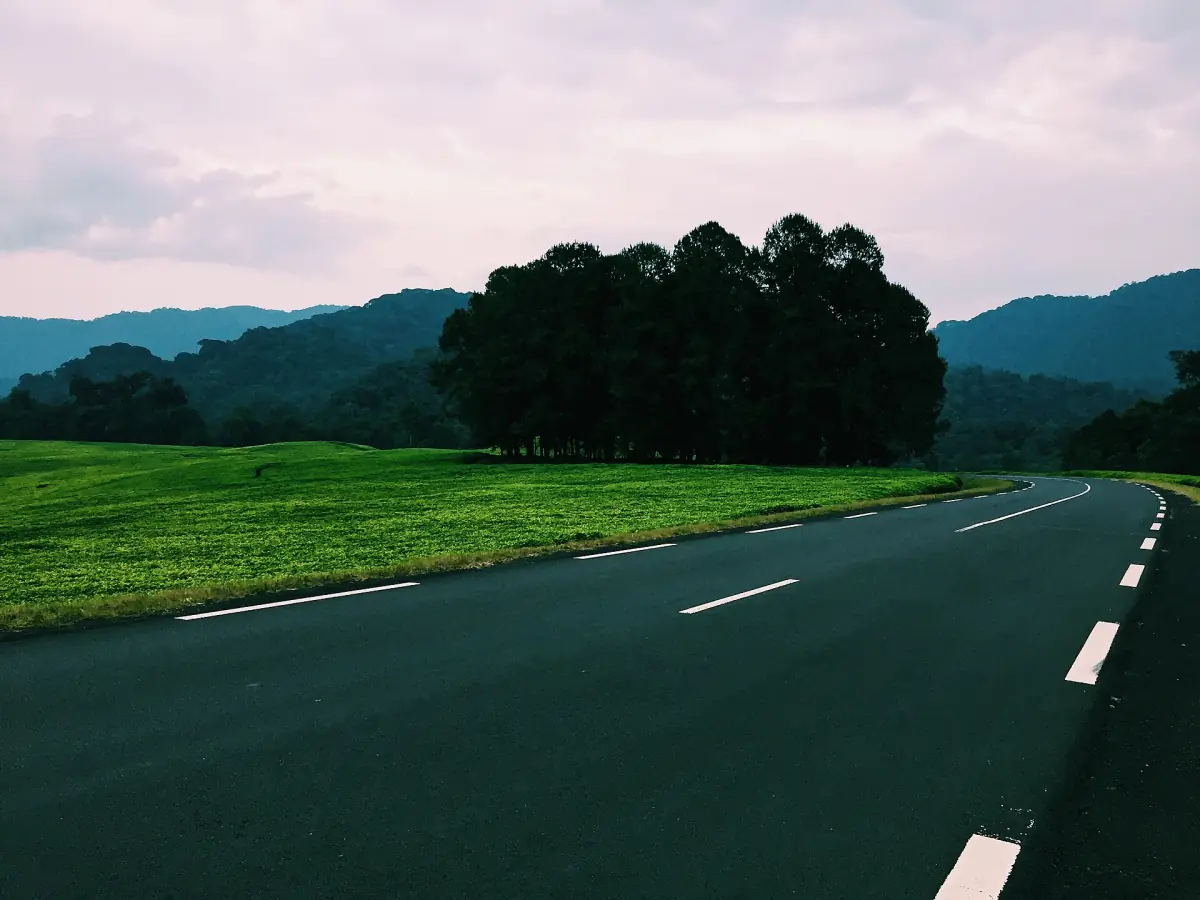
Nyungwe is a mountain rainforest of about 1,019 km² in the south-west of Rwanda, with bamboo slopes, grassland and wetlands. The forest has been under protection since 1933, when it became a forest reserve. It later became a national park and, in 2023, a UNESCO World Heritage site.
The dates below are the ones that matter for a visit. To see what the park offers today, start with the Canopy Walkway and chimpanzee trekking.
Timeline
From forest reserve to World Heritage.
1933: forest reserve
The forest comes under protection as a forest reserve.
2004 or 2005: national park
Nyungwe becomes a national park.
October 2020: partnership
African Parks and the government, through the Rwanda Development Board, agree a 20-year partnership for Nyungwe. African Parks has managed Akagera jointly with the government since 2010. See Akagera history for that park.
19 September 2023: World Heritage
UNESCO lists Nyungwe National Park as a natural site under criterion (x), for biodiversity.
12 August 2025: new offers
The park announces a zipline, a rope course at Gisakura and an eco lodge. The zipline is a separate activity from the Canopy Walkway.
Nyungwe tours and day trips
Guided trips in the forest and around it, with live prices and availability.
UNESCO World Heritage listing
One listing, three forests.
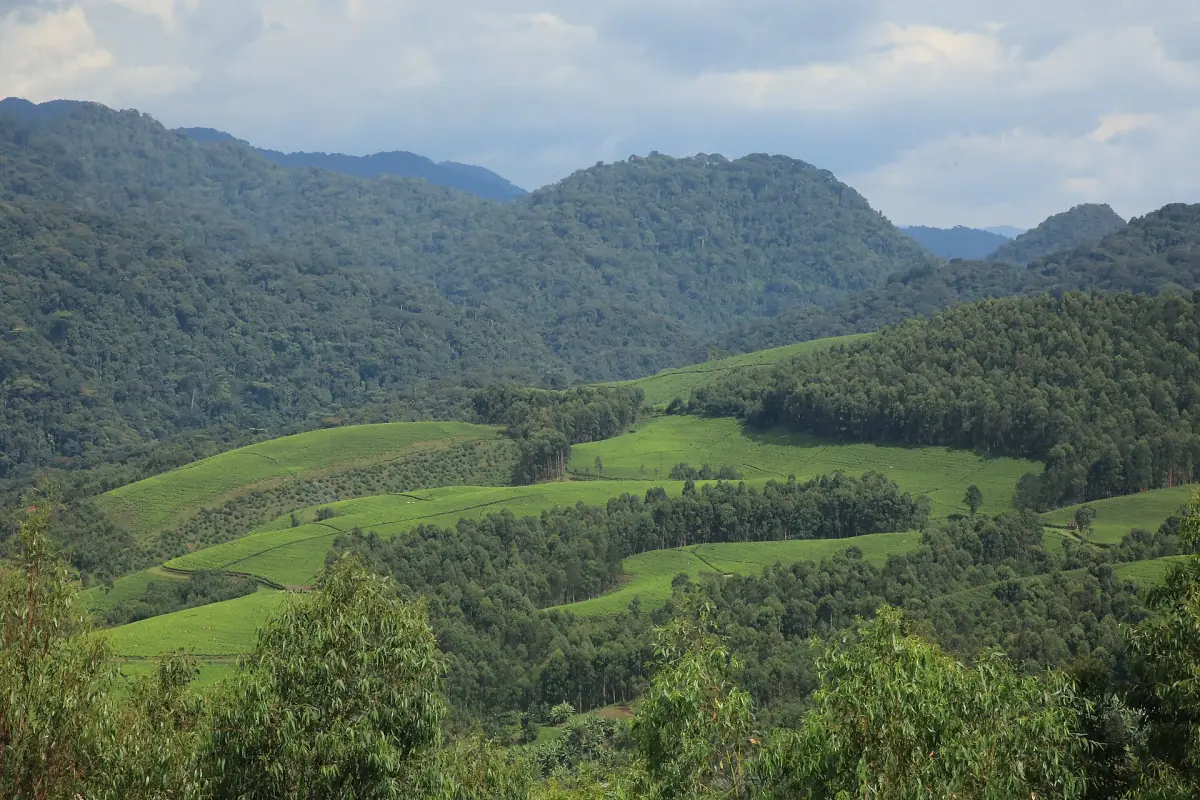
The listing is a serial site made up of the Nyungwe Natural Forest, the Cyamudongo Natural Forest and the Gisakura Natural Forest. Together they cover 101,963.67 ha, at elevations from 1,480 to 2,950 m. Cyamudongo is a separate forest patch among farmland and tea fields, and it is where one of the chimpanzee communities lives.
The listing is for Nyungwe alone. It is not a shared site with Akagera, the Volcanoes National Park or Gishwati-Mukura. A World Heritage listing is also a different thing from a biosphere reserve, which is a separate kind of recognition.
In the south, the forest continues across the border as Burundi's Kibira National Park. That does not mean you can cross the border as a visitor.
Protection and pressures
The main challenges for the forest.
The main pressures are illegal hunting, mining, the removal of animals and plants, a shortage of land and conflicts at the park boundary. Past regional instability and unsustainable use of resources have also put the forest under strain. None of this is a travel closure. It explains why the park works with nearby communities and runs community experiences at Gisakura.
Water from Nyungwe feeds both the Congo and Nile systems, and the forest is counted among the most distant headwater regions of the Nile. See the Nile source in Nyungwe for more.
Chimpanzees and visitor rules today
How the protection shows up on a visit.
Three chimpanzee communities
Three partly habituated communities can be visited: Cyamudongo, Mayebe and Gisovu. Each takes at most 8 people per day, and the minimum age is 15. Habituation of further communities is under way, but these three are the ones you can join.
Guided walks only
Unaccompanied hiking and leaving the trails are not allowed. Feeding animals, littering and damaging plants are banned too, and fines of $150 apply.
Visitor centres
The day visitor centres on the main road are open from 07:00 to 17:00. Start times for individual activities differ, so check yours when you book.
13 primate species
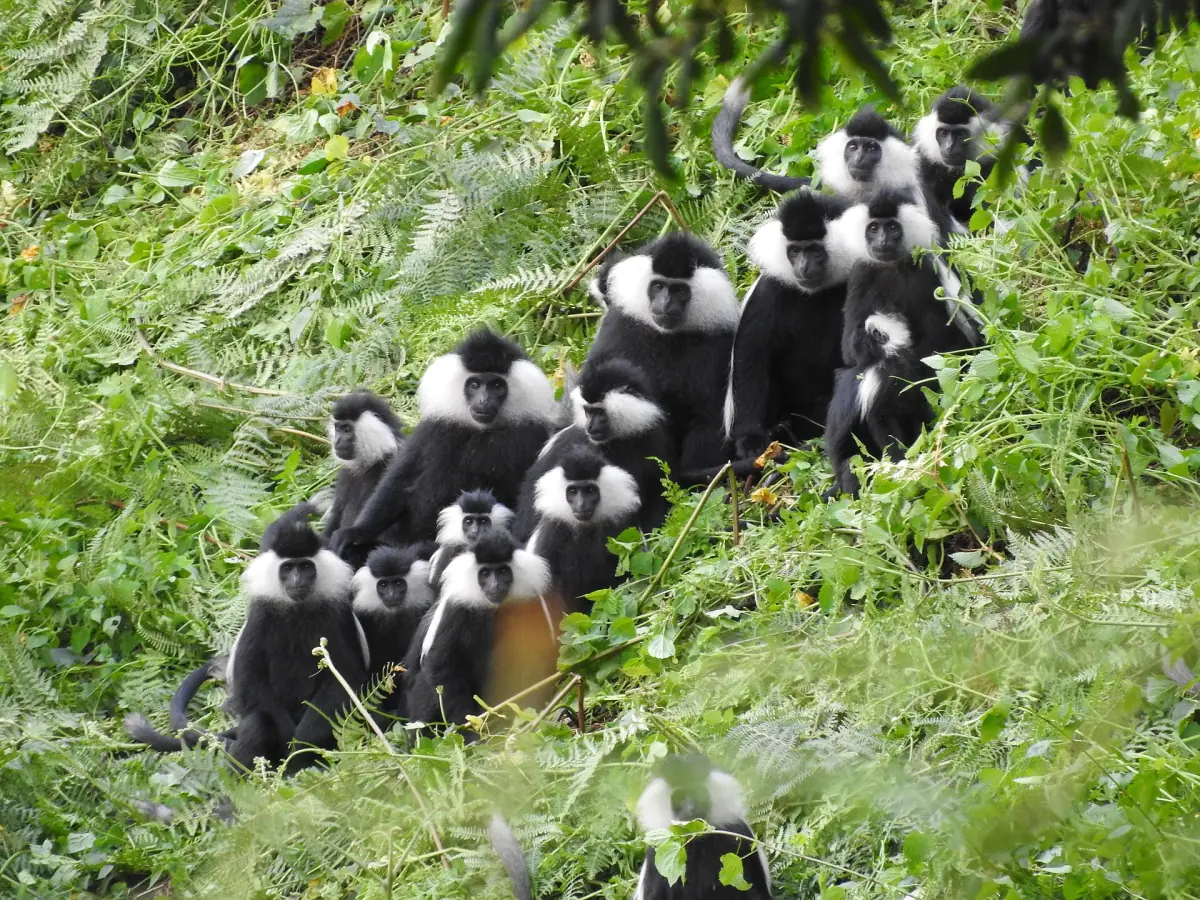
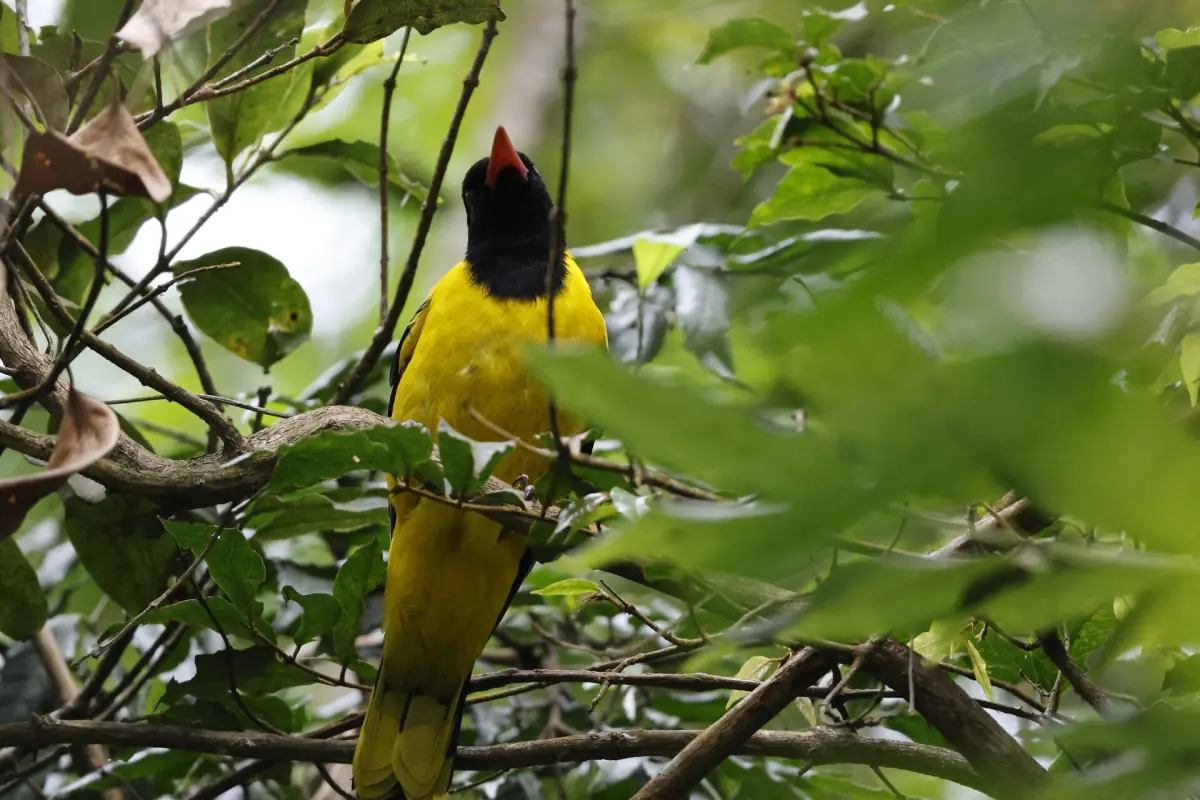
The forest is home to 13 primate species, including the eastern chimpanzee and L'Hoest's monkey. Sightings are never guaranteed.
Nyungwe history: frequently asked questions
When did Nyungwe become a national park?
In 2004 or 2005. The forest has been a protected reserve since 1933.
When did Nyungwe become a World Heritage site?
On 19 September 2023, as a natural site. The listing combines the Nyungwe, Cyamudongo and Gisakura forests.
Who manages Nyungwe National Park?
African Parks, together with the government through the Rwanda Development Board, under a 20-year partnership agreed in October 2020.
How big is Nyungwe?
About 1,019 km². The World Heritage listing covers 101,963.67 ha of three forests.
How many chimpanzee communities can visitors join?
Three: Cyamudongo, Mayebe and Gisovu, with at most 8 people per community and day. See chimpanzee trekking.