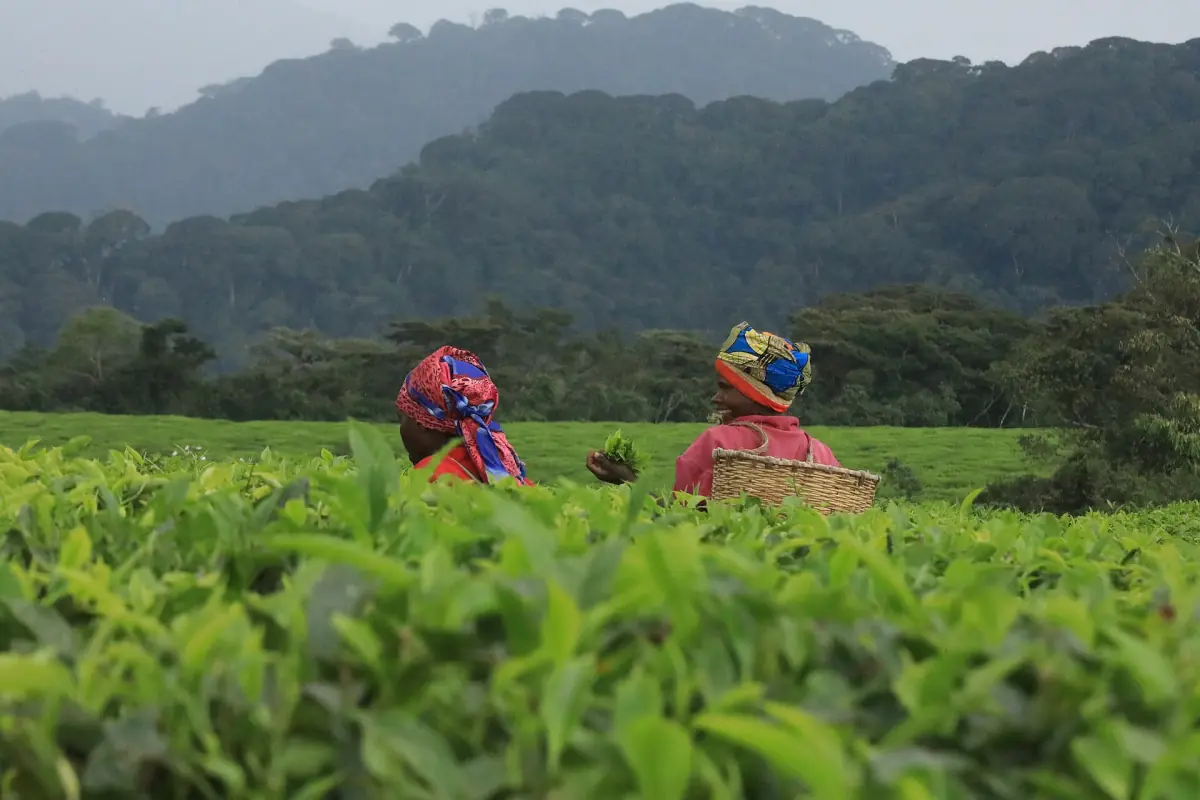
Rwanda tea plantations at Nyungwe
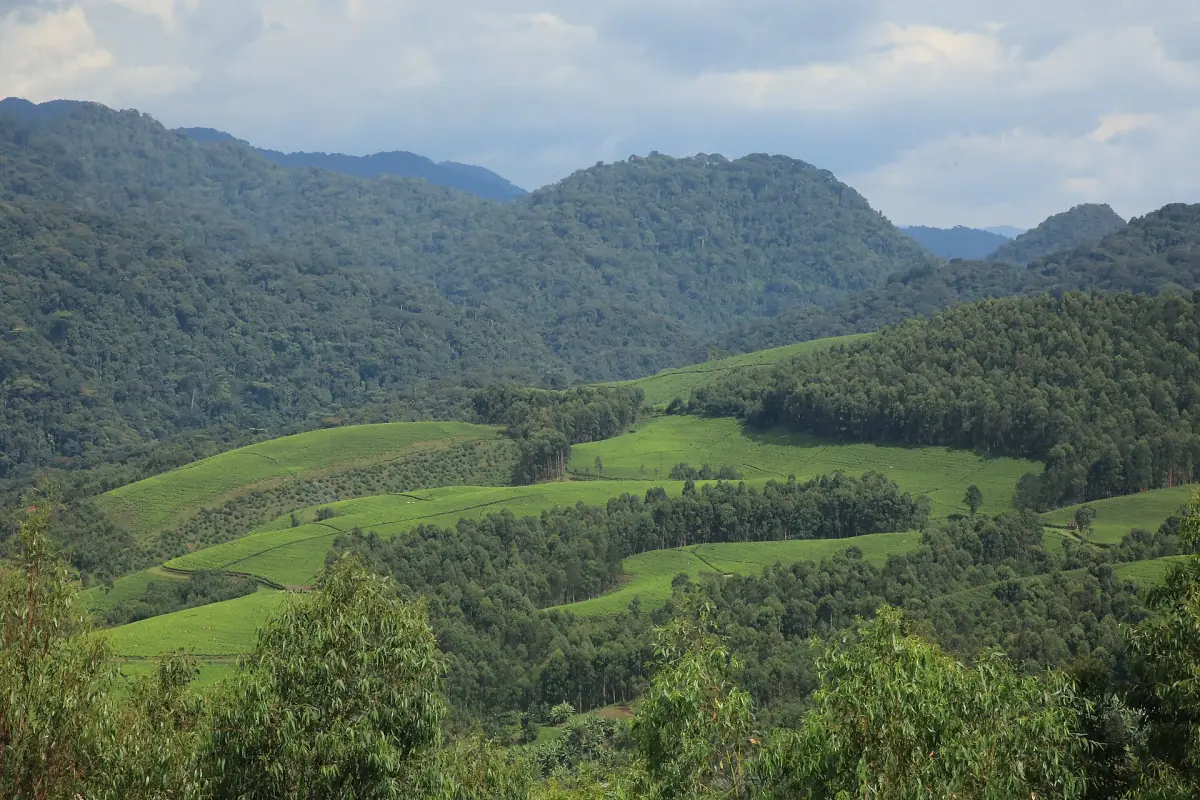
Tea grows on the hills along the edge of the park. The Gisakura Tea Estate lies on the western side, and the Gisovu plantations on the northern side. Visits and tastings are possible at the Gisakura estate, and Gisovu offers day visits. Plan a tea visit as an arranged outing: book it through a tour operator or the Rwanda Development Board (RDB), and do not count on walking into a factory unannounced.
A tea visit fits between forest activities, for example after colobus tracking or on the way to the Nyungwe canopy walk. Gisakura also has a park visitor centre.
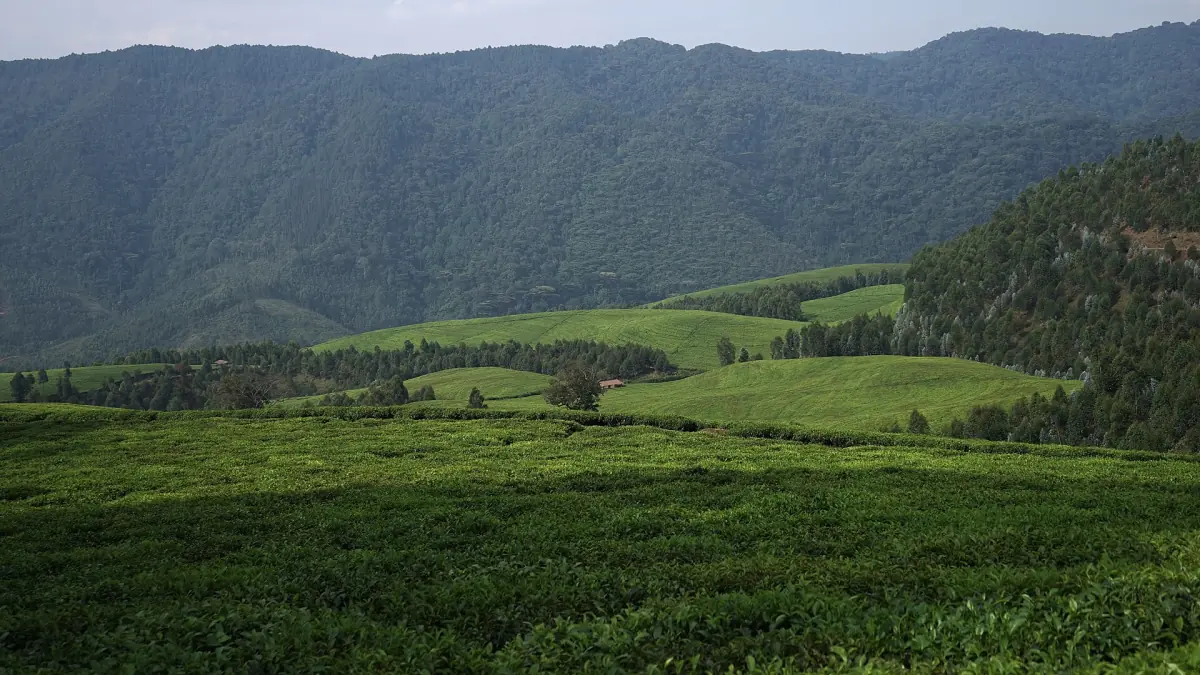
Gisakura, Gisovu and Kitabi
The tea places around the forest, side by side.
| Place | Where | What to know |
|---|---|---|
| Gisakura | Western edge of the park, in Nyamasheke district | Visits and tastings are possible. Base for waterfalls, community experiences and Cyamudongo |
| Gisovu | Northern edge of the park | Day visits are possible. Do not mix it up with Gisakura, which lies on the other side |
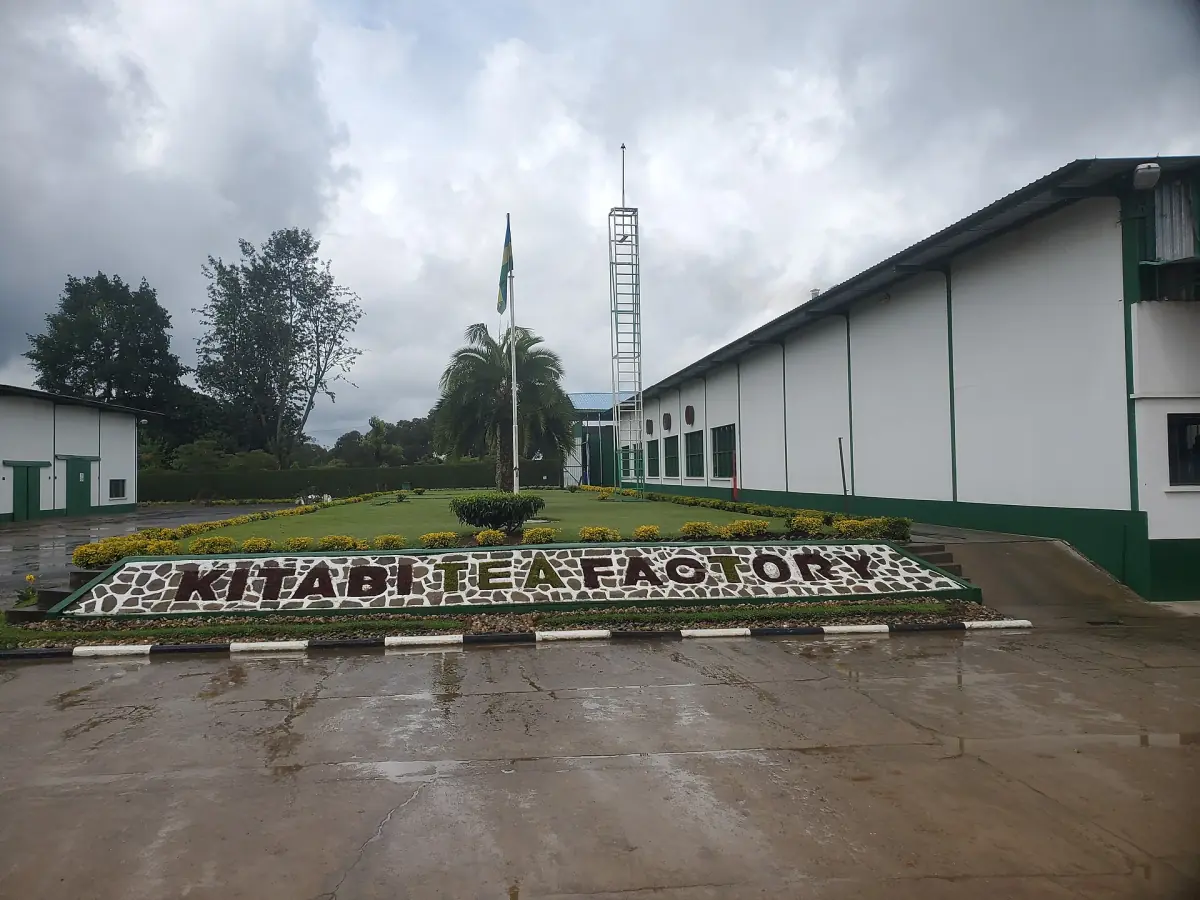
| Kitabi | Nyamagabe district | Tea factory and terraces. Kitabi has not been a park office since 2020 |
For most visitors, Gisakura is the tea stop that fits best. It sits next to a visitor centre, a park camp and the road to Cyamudongo, so a tea visit costs little extra travel. Choose Gisovu if you sleep in the north.
Our pick: tea and rainforest
Tea tasting and a rainforest walk in one day from Kigali.
Hand-picked tours, booked through GetYourGuide. Prices are indicative starting prices in US dollars (as of October 2026). Tap a tour for live availability and the current price in your currency.
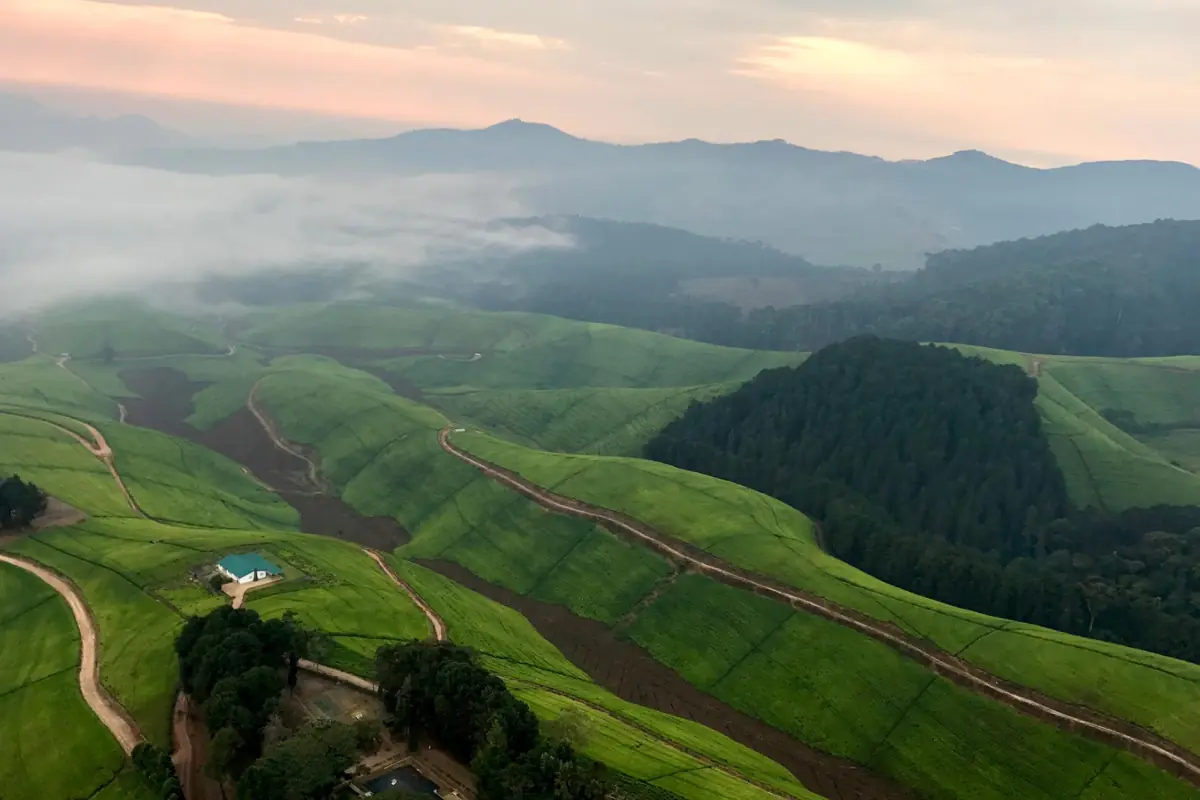
Nyungwe tours with tea country and forest walks
Guided trips to Nyungwe that combine tea plantations, forest walks, canopy walks and primate tracking, with live prices and availability. Check what the price covers.
How to arrange a tea visit
Community experiences and tea tours run in the Banda and Gisakura area outside the park boundary. The place to ask is the Gisakura Reception Centre, where staff can point you to what is running that week.
Before you commit, ask the organizer three things: what the visit costs, what time it takes place and whether it includes a factory tour, tasting or a walk among the bushes. Do not assume a tea visit is covered by the park entrance, since it takes place outside the park.
Wear shoes that can handle damp ground, because paths between the bushes get muddy after rain.
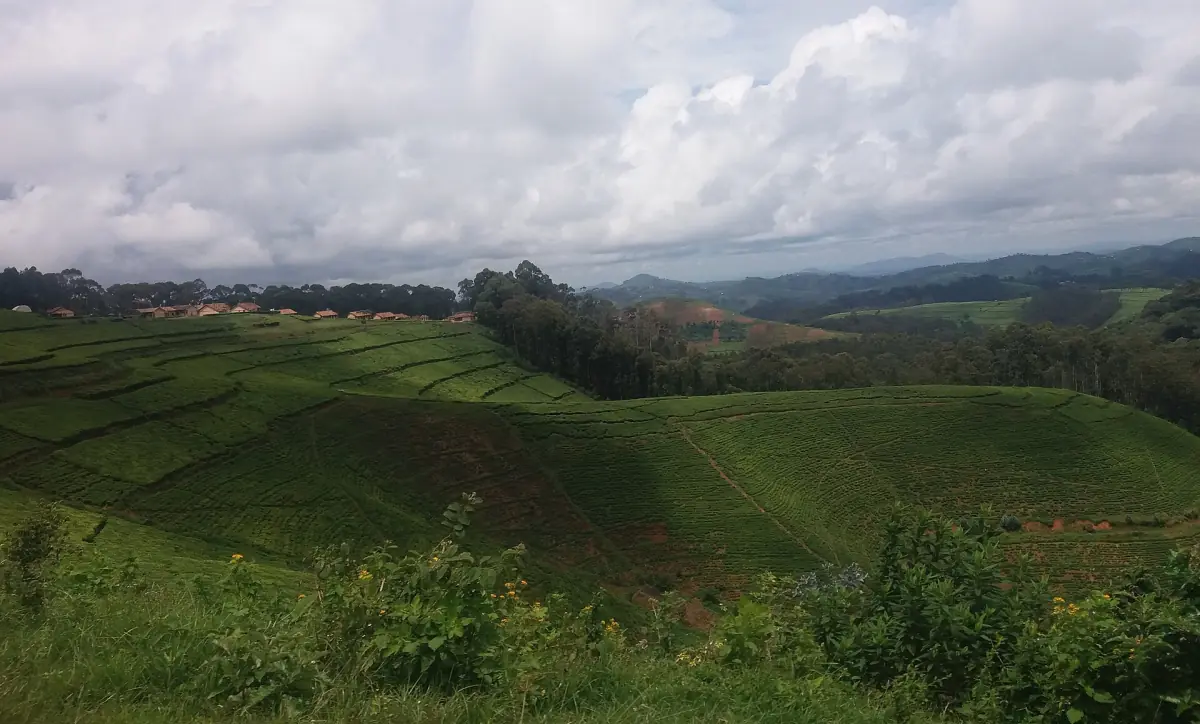
Rwandan tea in short
Tea growing began in Rwanda in 1952. The country makes mostly black tea, and some white, green and specialty teas. The plantations around Nyungwe are part of that story.
The factory at Kitabi is in Nyamagabe district, and Gisakura belongs to Nyamasheke. Those are places where tea is grown and processed. Opening hours and visit rules are set by each place, so ask before you go.
Walks through tea country
Where the plantations meet the paths.
Cyamudongo
Cyamudongo is a separate forest patch, surrounded by farmland and tea fields, and one of the three parts of the World Heritage site. Chimpanzee trekking there starts from Gisakura. See chimpanzee trekking for the rules.
The Isumo trail
The Isumo trail runs through tea plantations and rainforest ravines to a waterfall. The waterfall routes on the park map are Kamiranzovu Waterfall and Ndambarare, so ask at Gisakura which waterfall route is running.
Guides and rules
Walks inside the park are guided. You may not walk alone or leave the paths. See hiking in Nyungwe for lengths and difficulty.
Plan around the tea
Stay, travel and the next stops.
Where to stay near the forest
Park camping and guesthouses by area.
Kigali to Nyungwe
Road via Huye, flights and transfers.
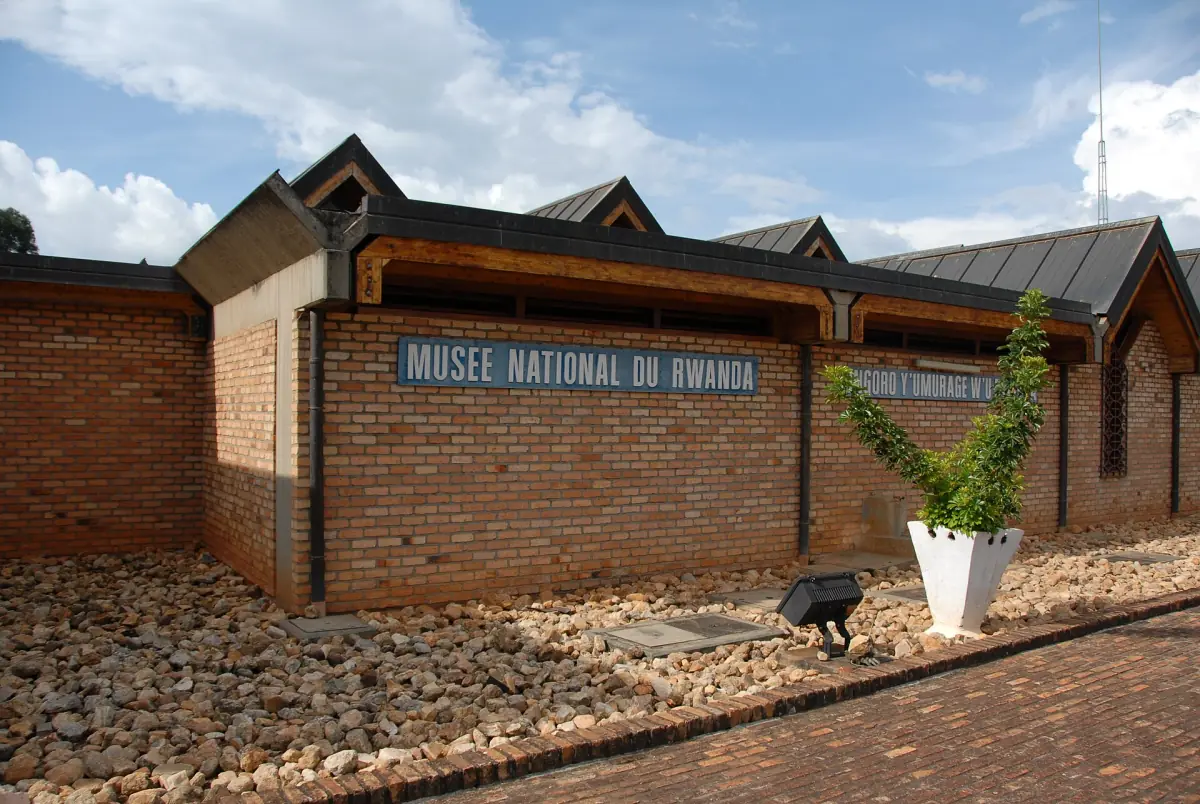
Huye and the museum
A stop on the road from Kigali.
If you are also planning a trip to Rwanda's cities and the north, things to do in Rwanda covers the rest of the country.
Where tea fits in a Nyungwe itinerary
Two simple ways to use the west side of the park.
A day at Gisakura
Start with a forest activity from the visitor centre, add a tea visit in the afternoon and sleep at the park camp, which has 6 wooden platforms. Gisakura has the visitor centre, the camp and the road to Cyamudongo in one area.
A transit day
If you drive between Huye and Rusizi, plan the tea stop on the way. Allow time for the road and ask your organizer for the right hour.
For most visitors, the first plan is the better one. It avoids extra driving, and it leaves the morning free for the primates.
Tea plantations at Nyungwe: frequently asked questions
Where are the tea plantations near Nyungwe?
The Gisakura Tea Estate lies on the western edge of the park, and the Gisovu plantations on the northern edge. Kitabi lies in Nyamagabe district, where the tea factory stands.
Can I visit a tea factory without booking?
Do not count on it. Visits are arranged through a tour operator or the RDB, and the Gisakura Reception Centre can tell you what is running.
Does a tea visit come with the park entrance fee?
No. Tea visits take place outside the park. Ask the organizer what the price covers before you book.
How long does a tea visit take?
The organizer sets the length. Ask for the time and the meeting point when you arrange the visit.
When did tea growing begin in Rwanda?
In 1952. Rwanda makes mostly black tea, plus some white, green and specialty teas.